
Listening to What the Body Is Really Saying
Research Edition - SFE 06 Safeera Hussainy
Safeera’s experience reflects what many patients live through: escalating treatments, limited explanations, and a growing sense that something important is being overlooked.
This conversation is about slowing down enough to understand what the body is signalling, and how clarity changes everything.
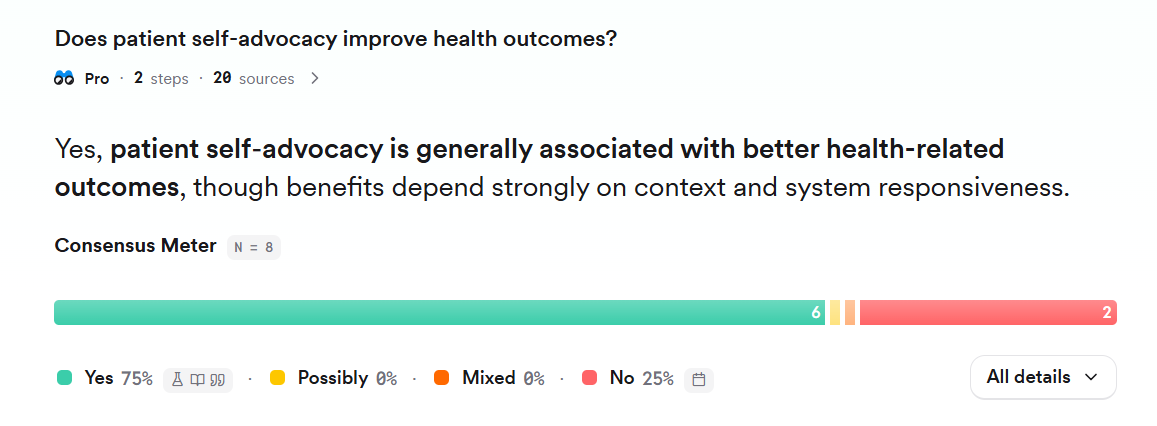
When I looked at the research on patient self advocacy, I recognised the pattern immediately. People do better when they are heard and worse when they are dismissed.
DECODE
What was really happening beneath the diagnosis?
Safeera’s condition began as a minor itch during pregnancy and progressed into severe pain, cracking, and functional impairment. Despite multiple treatments, no one initially asked why her body was inflamed.
Research shows that chronic inflammatory conditions are often driven by cumulative stress, immune dysregulation, gut imbalance, and nervous system overload. In Safeera’s case, years of caregiving stress and ongoing hyper-vigilance created a physiological terrain where symptoms could persist.
Core Concept
Symptoms are signals, not failures.
ALIGN
How did understanding turn into change?
Alignment came from shifting the approach, not finding a single fix.
• Moving from symptom suppression to identifying drivers
• Addressing food intolerances, gut health, and inflammation
• Redesigning work, movement, and routines around capacity
• Building strong practical, emotional, and professional support
These changes didn’t erase the condition, but they reduced suffering and restored function.
Mini Tool
Plan your life for capacity, not ideal days.
THRIVE
What becomes possible when life fits the body?
Thriving, for Safeera, was not about being symptom-free. It was about regaining agency.
With clearer boundaries and better pacing, energy returned. Creativity followed. Writing became a way to process grief, identity, and meaning.
Many people reach the same turning point: when they stop fighting their reality and start working with it.
Titan Quote
“I didn’t manage it. I survived it, and then I learned how to live inside it.”
Clinical Snapshot
When people are supported to advocate for themselves, research shows:
• clearer and earlier understanding of what’s happening
• better aligned treatments and decisions
• reduced anxiety and greater confidence living with chronic illness
SOURCES
Dharmage, S. C., et al. (2014). Allergy
Miller, G. E., et al. (2011). Psychological Bulletin
Jiang, W., et al. (2021). Frontiers in Immunology
Yu, S. H., et al. (2022). JACI: In Practice
Wieringa, T. H., et al. (2019). Systematic Reviews


